
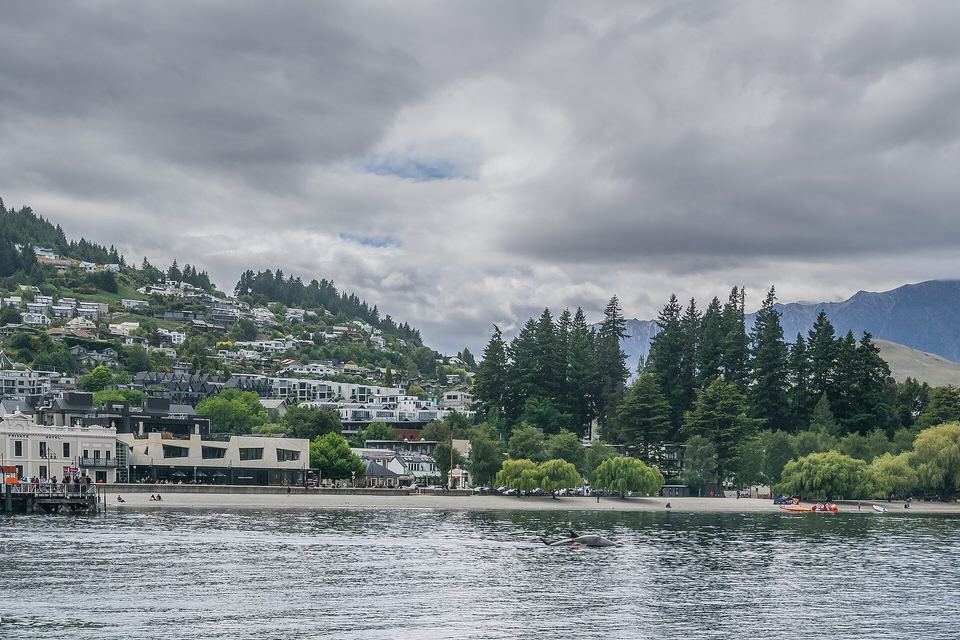
Everyone tells you New Zealand is a two-week country. Everyone is describing a different trip than the one I am describing.
The two-week version drives both islands, chases fourteen towns, and spends a third of itself in the car. The six-day version picks one region — the Southern Lakes, with Queenstown at the center — and stays there. It is the most complete short trip I have taken, and it costs five PTO days.
I want to be exact about that number, because the internet is not. A single overnight flight and the international date line make this trip possible on a working calendar. They do not make it cheap.
The date line gives you one day back. It does not give you five.
The honest PTO strategy
Here is the piece that genuinely changes the arithmetic. Fly out of Los Angeles, San Francisco or Houston on a Thursday evening and you land in Auckland on Saturday morning — Friday simply does not happen to you. Thirteen hours in the air, and you slept through most of them.
Coming home, you get that day back. Leave Auckland late on a Friday evening and you land in the United States the same Friday morning, hours before you took off.
Both of those are real advantages. Neither is free. Laid out against an ordinary U.S. work week, the trip looks like this:
| Day | Where you are | Cost |
|---|---|---|
| Thursday | At work, then an evening flight | Free |
| Friday | In the air; the date line eats this day | PTO 1 |
| Saturday | Land in Queenstown — day 1 on the ground | Weekend |
| Sunday | Day 2 | Weekend |
| Monday | Day 3 | Federal holiday |
| Tuesday | Day 4 | PTO 2 |
| Wednesday | Day 5 | PTO 3 |
| Thursday | Day 6, evening flight to Auckland | PTO 4 |
| Friday | Auckland → home, landing Friday morning | PTO 5 |
Six full days on the ground. Five PTO days. Without a Monday federal holiday, the same trip is six PTO days — that Monday is the entire discount, which is why the departure date matters more here than for any other trip in this journal.
Most people assume New Zealand can be done on two PTO days; that math quietly counts the two overnight flights as the trip. They are not the trip. You cannot walk the Frankton Track from seat 34K.
The shorter version, honestly priced
If five days is more than you can spend, the trip still works — it just gets smaller.
- If you can only take four PTO days: land Saturday, fly out Wednesday evening. That is one day less on the ground: Queenstown, Glenorchy, Milford Sound and one unstructured day. This is the leanest version I would recommend to anyone.
- If you can only take three PTO days: possible on paper, and I would not do it. You arrive Saturday and leave Tuesday, Milford Sound stops fitting, and you have spent twenty-six hours in the air for a stub of a trip. That is not maximizing PTO. That is spending it badly.
Maximizing PTO means getting the largest experience per day surrendered, not printing the smallest number on the page. At thirteen hours each way, the ratio only works once you are on the ground long enough for the flight to amortize. Six days is where this one clears comfortably.
Recommended trip length: 6 days on the ground PTO required: 5 days (4 with a shorter five-day version) Weekend included: Saturday + Sunday on arrival, plus the weekend you land back into Suggested travel window: Thursday evening → Friday of the following week — nine days door to door Holiday optimization: anchor the Monday to a federal holiday
Why this is the most efficient honest shape available:
- The Thursday departure is free. An evening flight costs you no working hours, and you are asleep for the leg that matters.
- The date line pays for the return. Landing home Friday morning means the westbound journey consumes one calendar day instead of two.
- The Monday holiday is the lever. Memorial Day, Labor Day, MLK Day, Presidents' Day and Columbus Day all sit at the front of this window. Booking against one of them converts a six-PTO-day trip into a five-PTO-day trip for no other change.
- The weekend you return into is the recovery. You land Friday morning with two days before Monday, which is the difference between a good trip and a rough re-entry. Do not schedule anything important for that Friday afternoon.
Why visit
One region, six days, and no repositioning. This is what the Southern Lakes give you in return for the flight.
Lake Wakatipu and the Queenstown waterfront
The lake is the orientation point for everything. Walk the Frankton Track in the morning before the town wakes up, take the gondola to Bob's Peak for the view that appears on every postcard, and eat dinner on the waterfront while The Remarkables go pink at nine at night in summer.
Glenorchy
Forty-five minutes up the northern shore on what is, honestly, one of the finest short drives on earth. Pull over often. The road ends in a small settlement with a red boat shed, a wharf and a silence that is worth the fuel by itself. Half a day, easily.
Milford Sound
A long day — four hours each way from Queenstown — and worth every one of them if the forecast cooperates. Take a coach rather than driving so you can look out the window through Homer Tunnel and the Eglinton Valley. Rain is not a reason to cancel; the waterfalls only exist when it rains.
The Gibbston Valley and Arrowtown
The quieter half of the region. Pinot noir cellar doors along the Gibbston River Trail, and Arrowtown's preserved gold-rush main street twenty minutes away. This is the day to rent bikes and stop thinking about itineraries.
Suggested itinerary
Six days on the ground is the minimum that justifies a thirteen-hour flight, and it is genuinely enough for one region.
One region, no repositioning, and a single long day out to Milford. If you catch yourself adding Wanaka or Mount Cook, you are planning the nine-day trip — which is a fine trip, and a different PTO conversation entirely.
- Saturday — land in Queenstown, walk the waterfront, eat early, sleep. Nothing booked; this is the day the flight is still in your legs.
- Sunday — the Glenorchy road and back, gondola at sunset.
- Monday (holiday) — Milford Sound, the full day, coach both ways.
- Tuesday (PTO 2) — Gibbston Valley and Arrowtown by bike.
- Wednesday (PTO 3) — a walk with elevation: Ben Lomond, Queenstown Hill or the Routeburn day section.
- Thursday (PTO 4) — slow morning, lake swim if you are brave, evening flight north to Auckland.
Friday is the long way home, and it costs the fifth day.
Where to stay
Base yourself in central Queenstown for all six nights. One region, one bed, no repositioning — that is what makes six days feel unhurried rather than compressed.
- Central Queenstown — walkable to the waterfront, the gondola and the Milford coach pickup, which matters at 6:45 in the morning. $130–$200 a night in shoulder season.
- Frankton — ten minutes out, next to the airport and the Frankton Track, and reliably cheaper. Good if you have a car for those two days.
- Arrowtown — beautiful, quieter, and a twenty-minute drive from everything else. A fine choice if the Gibbston Valley is the part you care most about.
Book three months out for December to February. Everything else in the year is comfortable at six weeks.
Food & drinks
The food scene punches well above a town of this size, and it stays open late enough for a day that ends at a trailhead.
- The waterfront dinner on your first night. Nothing ambitious — you still have thirteen hours in your legs — but eat looking at the lake while The Remarkables go pink.
- Fergburger, unavoidably. Go at an odd hour and the queue is a rumour rather than an event.
- Gibbston Valley cellar doors. Central Otago pinot noir at the source, on a bike, on the Wednesday. Tastings run $10–$20 and most are walk-in.
- Arrowtown for lunch, on the gold-rush main street, on the same day.
- Pack the Milford day. It is four hours each way; a coffee stop in Te Anau is the only reliable food on the route.
Transportation
Getting to the Southern Lakes is two flights and, once you are there, surprisingly little driving.
- Fly into Queenstown, not Christchurch. Connect through Auckland; the domestic leg is under two hours and the descent into the Wakatipu basin is part of the trip.
- Book the domestic legs with buffer. A tight Auckland connection on the way out risks your first ground day, which is the most expensive day of the trip in PTO terms.
- Rent a car for two of the six days, not all six. Town is walkable, Milford is better by coach, and parking is the only genuinely annoying thing about Queenstown.
- New Zealand drives on the left. If that is new to you, take the first hour on quiet roads and skip a night drive entirely.
Practical notes
- Biosecurity is strict and enforced. Declare hiking boots, and clean them before you pack. Fines are real.
- Layers, always. Four seasons in an afternoon is a cliché because it is accurate. A waterproof shell earns its space in the bag.
- NZeTA. Most visa-waiver travelers need a New Zealand Electronic Travel Authority before boarding. It takes minutes online — do it the week you book, not the week you fly.
- Cards everywhere. You can spend six days here without touching cash.
Budget
Six days in Queenstown costs roughly $2,950 per person, flights included — the figure in the destination table above. This is the expensive trip in this journal, and pretending otherwise would undercut the point of the PTO math.
| Line item | Six days |
|---|---|
| Flights (US west coast → Auckland → Queenstown) | $1,250 |
| Accommodation (6 nights, central Queenstown) | $900 |
| Food and drink | $420 |
| Milford coach, gondola, bikes, entries | $260 |
| Two days of car rental, fuel, extras | $120 |
| Total | $2,950 |
Shoulder season is where the savings are: late March to May or September to early November can take $300–$500 off the flights and accommodation together, which is the same window that gives you the best light. Renting a car for two of the six days rather than all six saves another $200 and removes the only genuinely annoying part of town.
Best time to visit
There is no wrong season here, only different trips.
- December to February (summer). Long days — light until nearly ten — warm lakes, and peak prices. Book accommodation three months out.
- March to May (autumn). My preference. Arrowtown's poplars turn gold, the crowds thin, and the light is extraordinary.
- June to August (winter). Ski season. Coronet Peak and The Remarkables are twenty minutes from town, which is a rare thing.
- September to November (spring). Snow still on the peaks, waterfalls at full volume, the best value of the year.
For an eight-day trip built around a holiday Monday, shoulder season — late March through May, or September through early November — gives you the best combination of fares, availability and weather variety. Memorial Day and Labor Day both land inside that band, which is not a coincidence worth ignoring.
Final thoughts
On the last morning I sat on the Frankton Track with a coffee, watching the lake do nothing at all, and did the sum honestly: five days of paid time off, one holiday Monday, and an entire hemisphere.
Five days is a real amount of leave. It is most of a two-week allowance for some people, and this journal is not going to pretend otherwise to make a headline land. What I will say is that five PTO days bought six days in the Southern Lakes — Milford, Glenorchy, a gold-rush valley and a mountain walk — and that no other long-haul destination returns that much for that few.
Long-haul travel gets written off by working professionals as something that requires a sabbatical. It does not. It requires a holiday Monday, an honest look at the calendar, and the willingness to sleep on a plane.
If you want the same principle at a lower price, Tokyo on one PTO day is the Asian version and three Spanish cities in seventy-two hours is the European one. For a short-haul warm-up before you commit thirteen hours to a plane, start with Mexico City. Everything else lives in the destination atlas.
Gallery
PTO Escape standard
PTO Strategy
- Trip length (days away)
- 8 days
- Weekend
- Saturday + Sunday (arrival weekend), plus the weekend you land back into
- PTO required
- 5 days
- Workdays to book off
- Friday · Tuesday · Wednesday · Thursday · Friday (following week)
- Best departure
- Thursday evening
- Best return
- Friday of the following week
- Suggested travel window
- Thursday evening → Friday of the following week (nine days door to door)
- You land
- Saturday morning (the Friday disappears across the date line)
- Transit days
- 2 days
- Usable days on the ground
- 6 days
8 days away — 5 PTO days, 2 weekend days, 1 holiday day, 2 transit days — and 6 days usable on the ground.
Where you fly from matters: West Coast math: Los Angeles or San Francisco to Auckland is roughly 13 hours, plus the domestic hop to Queenstown. From the East Coast add another 5–6 hours and expect the outbound to eat a further working day.
The Thursday evening departure costs no PTO and the date line erases the return day, but the westbound Friday and the four midweek days on the ground are real workdays. Six days in the Southern Lakes honestly costs five PTO days with a holiday Monday, six without. A tighter five-day version lands at four.
Holiday optimization
Build the trip around a Monday federal holiday — Memorial Day, Labor Day, MLK Day, Presidents' Day or Columbus Day. That Monday is the only reason this is five PTO days and not six.
Budget snapshot
- Transportation
- $1,250
- Accommodation
- $900
- Food
- $420
- Attractions
- $260
- Other
- $120
- Estimated total
- $2,950
Estimates per traveler, excluding shopping and souvenirs. Prices shift by season.
Why this trip works
An overnight departure and the date line absorb the two travel days, so five PTO days around a holiday Monday buy six full days on the ground — the best long-haul ratio available from the U.S.
Quick facts
- Currency
- New Zealand dollar (NZD)
- Language
- English (and te reo Māori)
- Time zone
- UTC+13 — the date line returns the day on the way home
- Visa
- NZeTA required in advance for most visa-waiver travellers
- Best time to visit
- March–May for autumn colour, September–November for value and waterfalls
- Typical flight
- 13 hours to Auckland, plus a 2-hour domestic leg
Photo credits
- Queenstown in 8 Days: Why Oceania Costs Five PTO Days — and Is Worth Every One — Krzysztof Golik, CC BY-SA 4.0 via Wikimedia Commons
- The Eglinton Valley, on the long road out to Milford Sound. — Tony Hisgett, CC BY 2.0 via Wikimedia Commons
- The Remarkables, seen across the lake from Queenstown. — Sigma 64, CC BY 4.0 via Wikimedia Commons
- Morning light on Queenstown Bay, before the town is properly awake. — Pseudopanax, public domain via Wikimedia Commons
- Mitre Peak at Milford Sound, the payoff for a four-hour drive each way. — MurielBendel, CC BY-SA 4.0 via Wikimedia Commons
- Lake Esplanade. Central Queenstown is small enough that most evenings end on foot. — Robert Linsdell, CC BY 2.0 via Wikimedia Commons
- Vines in the Gibbston Valley, twenty minutes from town and the easiest day of the six. — tjabeljan, CC BY 2.0 via Wikimedia Commons
- Above the lake on the Ben Lomond track, a half-day walk straight from town. — Pseudopanax, CC BY 3.0 via Wikimedia Commons
- Arrowtown in autumn, twenty minutes away and a complete change of pace. — Vera and Jean-Christophe, CC BY-SA 2.0 via Wikimedia Commons
- The Skyline gondola. Ten minutes for the best panorama in town. — Vincent60030, CC BY-SA 4.0 via Wikimedia Commons
- Jet boating the Shotover canyons, the loudest half hour of the trip. — Bernard Spragg, CC0 via Wikimedia Commons
- The historic TSS Earnslaw steamboat rests at Queenstown’s lakefront pier along Lake Wakatipu, backed by snow-dusted peak ranges. — Bernard Spragg. NZ from Christchurch, New Zealand, CC0 via Wikimedia Commons
- A panoramic view from Bob's Peak reveals the full expanse of Queenstown, Lake Wakatipu, and the surrounding Southern Alps. — Avenue, CC BY-SA 3.0 via Wikimedia Commons
- Looking out across the Wakatipu Basin from the Crown Range Road, golden hillsides frame braided river valleys and distant alpine basins. — Christian Mehlführer, User:Chmehl, CC BY 3.0 via Wikimedia Commons
- Moody clouds gather over Lake Wakatipu and the rocky ridgelines of the Remarkables just outside Queenstown. — Tony Hisgett from Birmingham, UK, CC BY 2.0 via Wikimedia Commons
- Atop Bob's Peak, visitors ride the luge or paraglide above Lake Wakatipu with views across the mountain range. — William Stewart, CC BY-SA 3.0 via Wikimedia Commons
- The Skyline Gondola carries passengers up Bob's Peak, overlooking the winding luge tracks below. — timsdad 09:56, 2 July 2008 (UTC), CC BY-SA 3.0 via Wikimedia Commons
- Visitors walk across the historic Kawarau Suspension Bridge, the birthplace of commercial bungy jumping near Queenstown. — sussexbirder, CC BY 2.0 via Wikimedia Commons
- Dusk falls over the rolling countryside of the Wakatipu Basin, illuminating mountain slopes under soft twilight clouds. — Michelle Maria, CC BY 3.0 via Wikimedia Commons
Music credit
Video teaser music: “Summer Tropical House” by Music for Creators — Free Music Archive, licensed CC BY 4.0.
More PTO escapes
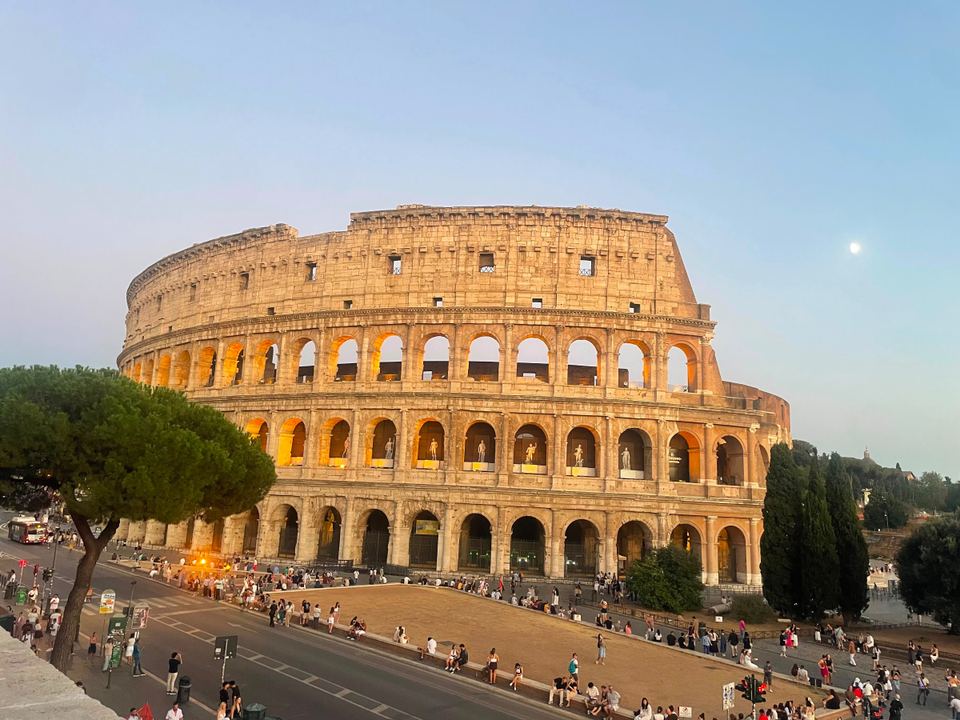
Rome Express: 4 Days in the Eternal City on Minimal PTO
A four-day itinerary through Rome and Vatican City designed for working professionals maximizing a weekend plus two PTO days.
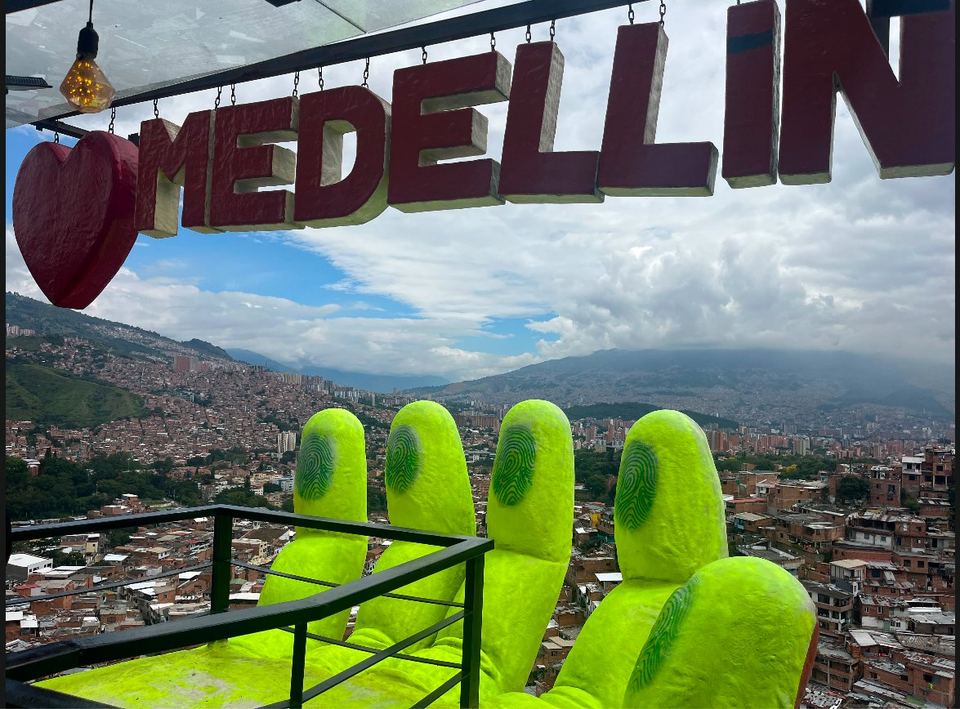
Medellín in 4 Days: A Two-PTO-Day Escape to Colombia's City of Eternal Spring
Medellín is the best two-PTO-day trip in South America: a short flight, zero jet lag, spring weather every month of the year, and four days that feel considerably longer than the calendar they cost.
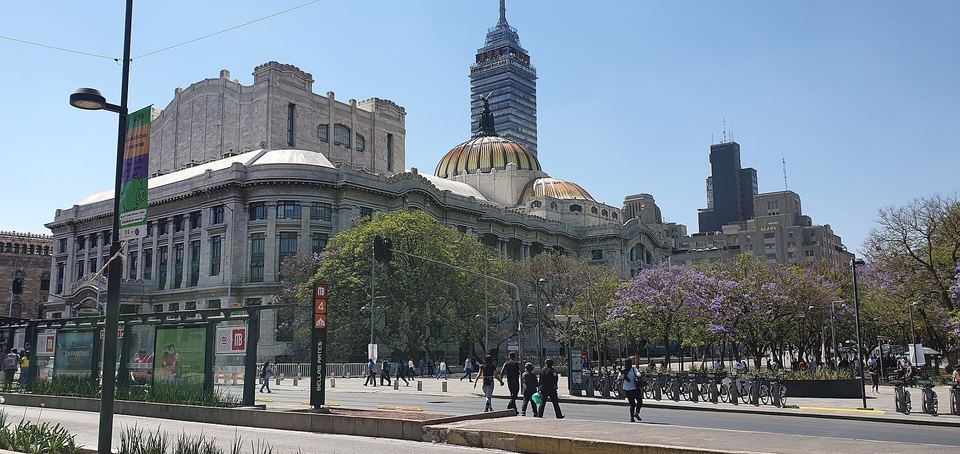
Mexico City in 4 Days: A Two-PTO-Day Escape That Feels Like Another Continent
Mexico City is the highest-value long weekend in North America: two PTO days, a short flight, no jet lag, and four days that feel like crossing an ocean.