
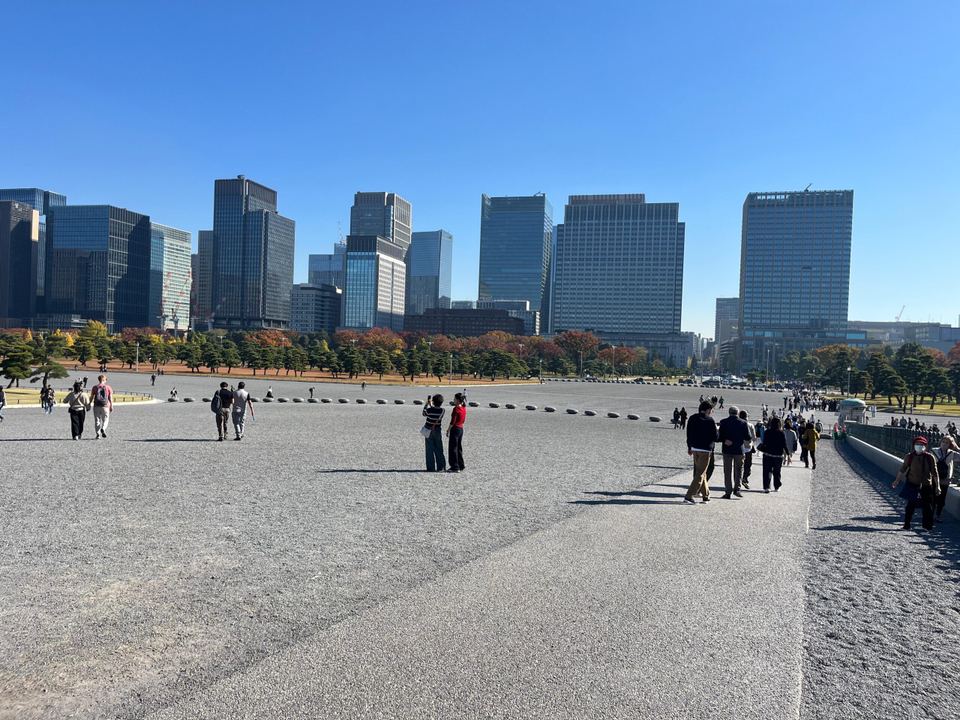
When most people think about traveling to Japan, they imagine a two-week vacation filled with temples, sushi, bullet trains, and neon city lights. I used to think the exact same way—until I tested a bold strategy and booked my first international long-weekend trip.
I left on a Thursday evening and landed back in the United States on Tuesday morning. The best part? I only used two days of paid time off (PTO) and still enjoyed two packed, incredible days exploring Tokyo.
By spending just two days of PTO, I pulled off a full international long-weekend escape to Tokyo for about $900.
The honest PTO strategy
The key to pulling off an international weekend trip is simple: strategic timing and leveraging time zone shifts.
My schedule was tightly choreographed to maximize ground time without draining my vacation bank:
- Thursday evening: Depart the U.S.
- Friday night: Land in Japan — the date line and eleven hours in the air make this a travel day, not a sightseeing day
- Saturday & Sunday: Two full days of exploring
- Monday: Travel back across the Pacific
- Tuesday morning: Arrive home in time for work
By taking an overnight flight both ways, I slept on the plane instead of losing daytime hours. Leaving Thursday night and returning Tuesday morning meant Friday and Monday were my only PTO days — the crossing out and the crossing home. Anchor that Monday to a federal holiday and the trip costs one. The weekend did all the heavy lifting.
Time-saver: Treat your airplane flight like your hotel room. Bringing a quality neck pillow, eye mask, noise-canceling headphones, and a light blanket allowed me to land in Japan with real energy rather than severe jet lag.
Why visit
My first full day was dedicated to soaking in Tokyo's iconic urban pulse.
I packed my itinerary with high-energy highlights: stepping out onto the iconic Shibuya Crossing, wandering through Meiji Shrine, browsing through Harajuku, and taking in the glowing neon towers of Shinjuku at night.
Tokyo is a city that never seems to pause. Between the organized crowds and endless food options, every corner kept me captivated.
For food, I grabbed steaming ramen from a cozy neighborhood shop and picked up fresh sushi from a local convenience store—and honestly, both meals were far better than almost anything I have eaten back home.
Trading long vacation itineraries for intentional weekend adventures is the ultimate travel hack.
Suggested itinerary
Four days away from work, two of them lost to flying, two full days on the ground — and two PTO days paying for all of it.
- Thursday (no PTO) — an evening departure from the U.S. west coast. The flight is the hotel; sleep on it.
- Friday (PTO day 1, a transit day) — land at night, train into the city, check in, and give what is left of the evening to one neighbourhood only. Ramen, a walk, an early night.
- Saturday — Tokyo at full volume: Shibuya Crossing, Meiji Shrine, Harajuku, and Shinjuku after dark.
- Sunday — the slow day, below.
- Monday (PTO day 2) — a late-morning flight east across the Pacific, landing home Tuesday morning in time for work.
On my second day, I intentionally slowed my pace down.
I spent the day strolling down traditional streets, ducking into small neighborhood shops, visiting quiet temples, and simply walking without a strict timeline.
Worth it: Weekend international travel isn't about checking off every sight in a guidebook. Focus on eating local food, observing daily life, taking photos, and just being fully present.
I realized during these quiet moments that even two days in a foreign country can feel deeply meaningful if you are intentional about how you spend your time.
Convenience stores in Japan quickly became my favorite daily stop. Grabbing quick, high-quality meals saved me hours of dining time and kept my daily food budget between $20 and $30 per day.
Where to stay
Three nights, one neighbourhood, walking distance to a train line. With two ground days, the wrong location costs more than the wrong hotel.
- Shinjuku — where I stayed. Business hotels run $55–$70 a night, the station connects to everything, and the neon is downstairs rather than a train ride away.
- Asakusa — cheaper and quieter, close to Senso-ji, and a good pick if temples are the reason you came.
- Shibuya — the most convenient for a first visit and about $20 a night more.
Book a business hotel rather than a capsule. The rooms are small, spotless and the size of the trip.
Food & drinks
Food is where a Tokyo long weekend quietly beats every other city.
- Neighbourhood ramen, ordered from a ticket machine, at a counter, for $8–$10. This was the best meal of the trip.
- Convenience stores. 7-Eleven, Lawson and FamilyMart sell genuinely good sushi, onigiri and egg sandwiches for a few dollars. They kept my food spend at $20–$30 a day without ever feeling like a compromise.
- Standing sushi bars near any major station: fast, fresh and around $15.
- Skip the reservation-only places. Two days is not enough runway, and the queue-free places are better than they have any right to be.
Transportation
One of the biggest surprises of this experiment was the airfare. I booked a roundtrip ticket to Japan for just $500 on Zipair, a Japanese low-cost airline.
It isn't luxury, but it is clean, amazingly efficient, and perfect for budget travelers who prioritize the destination over fancy extras. I loved the straightforward booking, direct route, and the option to pay only for the specific add-ons I needed.
When I landed, my first impression of Japan was pure awe. Everything felt surreal, clean, organized, and remarkably easy to navigate.
Even as a first-time visitor on a tight schedule, the clear English signage, fast train access from the airport, and welcoming locals made getting into the city totally stress-free.
Getting around once you land
- Airport to city. The Narita Express or a Keisei Skyliner runs $20–$35 and takes under an hour. Buy the ticket at the counter after immigration; no advance booking needed.
- In the city. A Suica or Pasmo IC card on your phone covers every train, subway and convenience store. Around $50 loaded covers two hard days of moving.
- Skip the Japan Rail Pass. It only pays for itself with a bullet-train leg, and there is no room for one in two ground days.
Budget
The whole trip came to about $900 — the figure in the destination table above.
| Line item | Four days away |
|---|---|
| Roundtrip flight (Zipair) | $500 |
| Accommodation (3 nights, budget hotel) | $180 |
| Food | $120 |
| Attractions and entries | $60 |
| Trains, IC card, extras | $40 |
| Total | $900 |
The flight is two-thirds of that, which is exactly why the fare alert matters more than any other decision on this trip. Everything on the ground in Tokyo is cheaper than the equivalent weekend at home.
Best time to visit
Shoulder season — March to May and October to November — is the target. Mild days, low humidity, and the cheapest fares on the transpacific routes that make this trip work.
- Late March to early April brings the cherry blossoms and the highest hotel prices of the year. Worth it once; book three months out.
- October and November are my pick for a first attempt: clear skies, autumn colour and quieter shrines.
- June to August is hot and humid enough to shorten your two days on the ground.
- January and February are cold, dry and by far the cheapest — a good month for a fare-led trip.
Final thoughts
Some people told me flying across the Pacific for two full days on the ground — with two more days spent getting there and back — was crazy. I disagree completely.
You do not need two full weeks of vacation time to justify international travel. You just need intention, a smart strategy, and good planning.
This trip proved to me that even with a standard full-time job, international travel is always within reach. I didn't have to wait for the "perfect time" or quit my job to see the world.
Japan was my first test of this PTO strategy—and it worked exactly as the math predicted. I am already planning my next weekend escape.
Gallery
PTO Escape standard
PTO Strategy
- Trip length (days away)
- 4 days
- Weekend
- Saturday + Sunday
- PTO required
- 2 days
- Workdays to book off
- Friday · Monday
- Best departure
- Thursday evening
- Best return
- Monday (landing home Tuesday morning)
- Suggested travel window
- Thursday evening → Tuesday morning
- You land
- Friday night
- Transit days
- 2 days
- Usable days on the ground
- 2 days
4 days away — 2 PTO days, 2 weekend days, 2 transit days — and 2 days usable on the ground.
Where you fly from matters: West Coast math: Tokyo is 10–11 hours nonstop from Los Angeles, Seattle or San Francisco. From the East Coast add 3–4 hours or a connection, and the Friday arrival slips to late at night.
Overnight flights in both directions turn the travel nights into sleep, but the honest arithmetic still counts two workdays: the Friday lost to the Pacific crossing and the date line, and the Monday spent flying home. Five days door to door, two full days on the ground, two PTO days — the best transpacific ratio available, but not a free one.
Holiday optimization
Anchor the Monday to a federal holiday — MLK Day, Presidents' Day, Memorial Day, Labor Day or Columbus Day — and the same trip costs one PTO day instead of two. The Friday after Thanksgiving works the same way for the outbound.
Budget snapshot
- Transportation
- $500
- Accommodation
- $180
- Food
- $120
- Attractions
- $60
- Other
- $40
- Estimated total
- $900
Estimates per traveler, excluding shopping and souvenirs. Prices shift by season.
Why this trip works
Overnight flights in both directions turn the travel days into sleep, so a single PTO day on Friday buys two full days on the ground in Tokyo.
Quick facts
- Currency
- Japanese yen (JPY)
- Language
- Japanese (English signage throughout Tokyo transit)
- Time zone
- UTC+9
- Visa
- No visa for U.S., UK, EU and Canadian passports for short stays
- Best time to visit
- March–May and October–November for mild weather and the cheapest transpacific fares
- Typical flight
- 10–12 hours nonstop from the U.S. west coast
Photo credits
- Tokyo on 2 PTO Days: A $900 Long-Weekend Blueprint — PTO Escape archive
- Crowds gather at Shibuya Crossing before stepping into Tokyo’s bustling evening dining and entertainment scene. — Celuici, CC BY-SA 3.0 via Wikimedia Commons
- A long exposure captures the surge of foot traffic across Shibuya's main intersection beneath illuminated neon signs at night. — Benh LIEU SONG ( Flickr ), CC BY-SA 2.0 via Wikimedia Commons
- Worshippers offer prayers at the main hall of Senso-ji Temple in Asakusa beneath a massive hanging red lantern. — . Ray in Manila, CC BY 2.0 via Wikimedia Commons
- Visitors gather along the outer temple grounds in Asakusa, where food vendors serve local street snacks to afternoon crowds. — Guilhem Vellut from Annecy, France, CC BY 2.0 via Wikimedia Commons
- A view from the base shows the vibrant red steel lattice architecture of Tokyo Tower reaching toward the sky. — Ermell, CC BY-SA 4.0 via Wikimedia Commons
- An elevated viewpoint across Tokyo showcases Tokyo Tower rising above a dense sprawl of skyscrapers and green parkland. — Daniel L. Lu (user:dllu), CC BY-SA 4.0 via Wikimedia Commons
- The lit archway entrance to Shinjuku's Kabukicho district leads visitors into the heart of Tokyo's nightlife area. — Yu Morita from Tokyo, Japan, CC BY-SA 2.0 via Wikimedia Commons
- Pedestrians with umbrellas walk through Shinjuku's Kabukicho district on a rainy evening amidst bright vertical neon signs. — Daniel Ramirez from Honolulu, USA, CC BY 2.0 via Wikimedia Commons
- Seafood stalls at the Tsukiji Outer Market draw early morning visitors looking for fresh tuna and quick local bites. — Aimaimyi, CC BY-SA 3.0 via Wikimedia Commons
- A massive wooden torii gate leads visitors into the peaceful courtyard of Meiji Jingu Shrine. — Laika ac from UK, CC BY-SA 2.0 via Wikimedia Commons
- Sunlight filters through the forest canopy above a wooden torii gate along the main walking path to Meiji Jingu. — La Rejna, CC BY-SA 3.0 via Wikimedia Commons
Music credit
Video teaser music: “Summer Tropical House” by Music for Creators — Free Music Archive, licensed CC BY 4.0.
Related destinations
More PTO escapes
Thailand in 8 Days: Pattaya + Bangkok With 4 PTO Days
Pattaya and Bangkok in six days on the ground — four PTO days with a Monday holiday, built on honest U.S. long-haul math that gives the outbound Saturday to the flight.
Vancouver and Whistler in 4 Days: The 1-PTO Fall Alpine Escape
How to convert 1 PTO day and Indigenous Peoples' Day weekend into a 4-day trip pairing Vancouver's coastal dining with Whistler's autumn mountain trails.
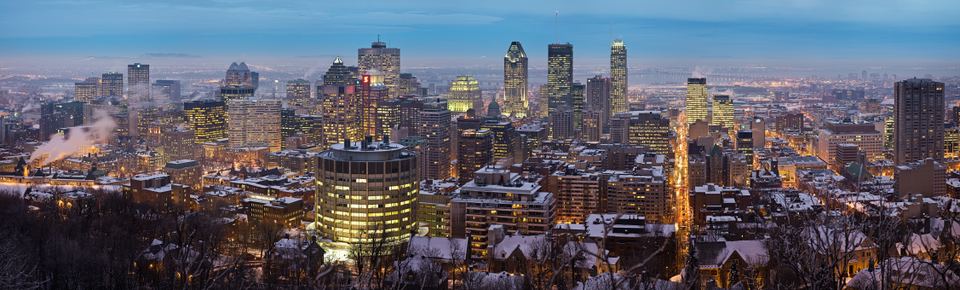
Montreal in 4 Days: The 1-PTO Labor Day Blueprint
Turn one single PTO day over Labor Day weekend into a four-day European-style urban break in Montreal with zero jet lag.